Care, healing, resistance—the immediate eyeroll trigger for anyone positioned anywhere near the contemporary Western art world, myself very much included.
Read More
Care, healing, resistance—the immediate eyeroll trigger for anyone positioned anywhere near the contemporary Western art world, myself very much included.
Read MoreEveryday Resistance has become a commodity. Especially in the art and cultural world, it is worn like a costume—a look to buy, a set of slogans memorized and dropped into conversations and presentations for credibility.
Read MoreI need and always needed spaces where I can be allowed to be soft, vulnerable, visible and open about myself and my appearance. So I also know how important the way of talking and choosing words is when it comes to describing haircuts, because they are so close-knit with identity.
Read MoreWe exchange the endless supply of hippo memes with friends. We know, for sure, this is a capital G girl, not because of her biological sex or her social gender, but rather due to her aesthetic function.
Read MoreFor over a decade, I have been assembling an archive—an attempt to reconstruct and unravel the fragmented traces of my family’s experience of the war in Guatemala. Though personal in its origins, the archive has revealed itself as situated within a wider, entangled topography of collective history.
Read MoreDue to numerous cancellations and censorship, one becomes an expert on how to archive and tell a story, reclaiming one’s right to speak while protecting oneself from potential legal accusations because of the text itself. It is an art we, the cancelled, are forced to master.
Read MoreThe habitational crisis is felt throughout European cities. However, not only are homes at risk, but also places to practice sport. The commodification of exercise or the lack of public infrastructure investment makes it necessary to create places of resistance.
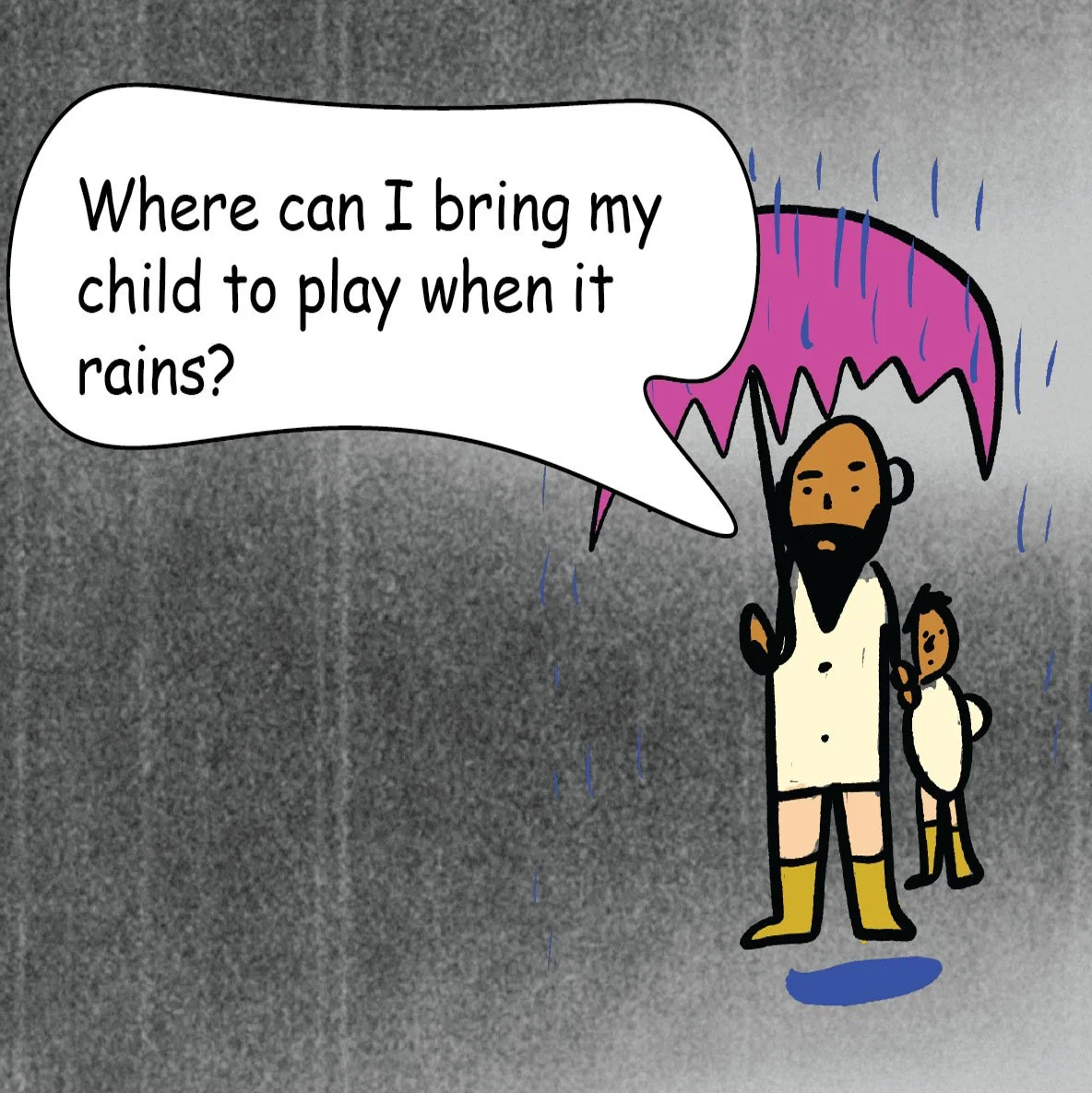
Read MoreI don’t know how many times I have asked this question and every time I enunciate it, a fear sets in the upper side of my stomach, a consciousness of my bad pronunciation, the anxiety for how it will be perceived by the person on the other side of the conversation.
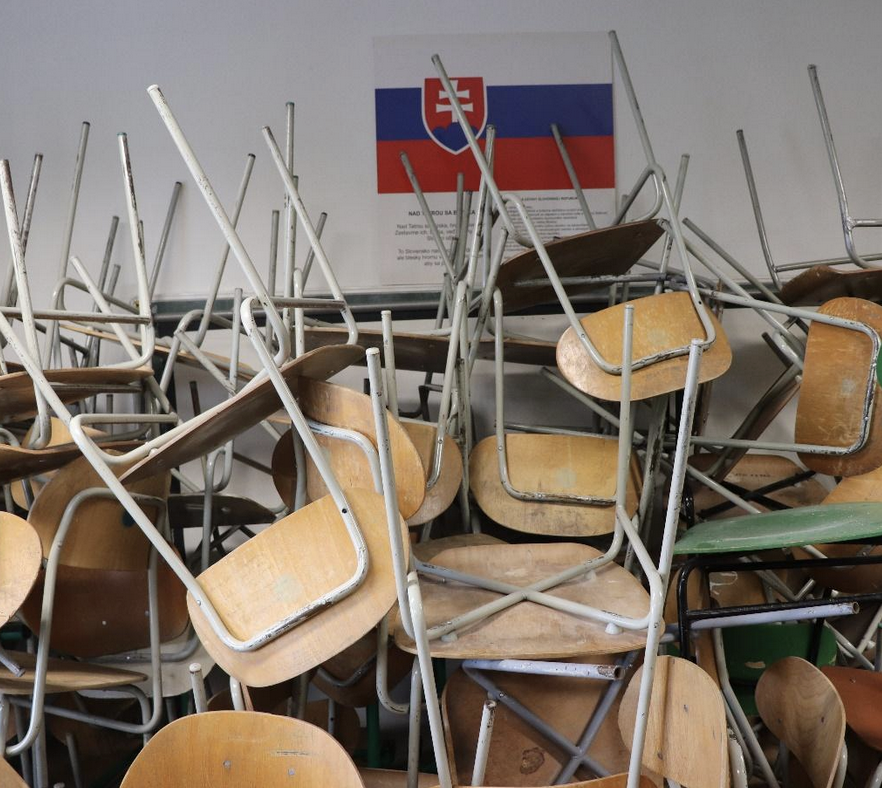
Read MoreBeing an independent artist and an educator is becoming increasingly difficult in Slovakia. We live in a time when society is closing itself off into ideological frameworks in which otherness, critical thinking, and autonomy are no longer welcome.
Read MoreCan women ever allow themselves to be “lazy”? Here’s how a group of young women from Central and Eastern Europe are shedding light on gender stereotypes and challenging productivity culture.
Read MoreEven within my own bubble of leftist or at least, left-leaning, folks, fully aware and considerate of the human and environmental costs of generative AI, the idea that there isn’t much we can do about the presence of this harmful tool none of us really asked for persists.
Read More