
INTERVIEW WITH INA HOLUB
-by Ale Zapata (Curator / External Projects Coordinator at Improper Walls)
This interview was edited for clarity.
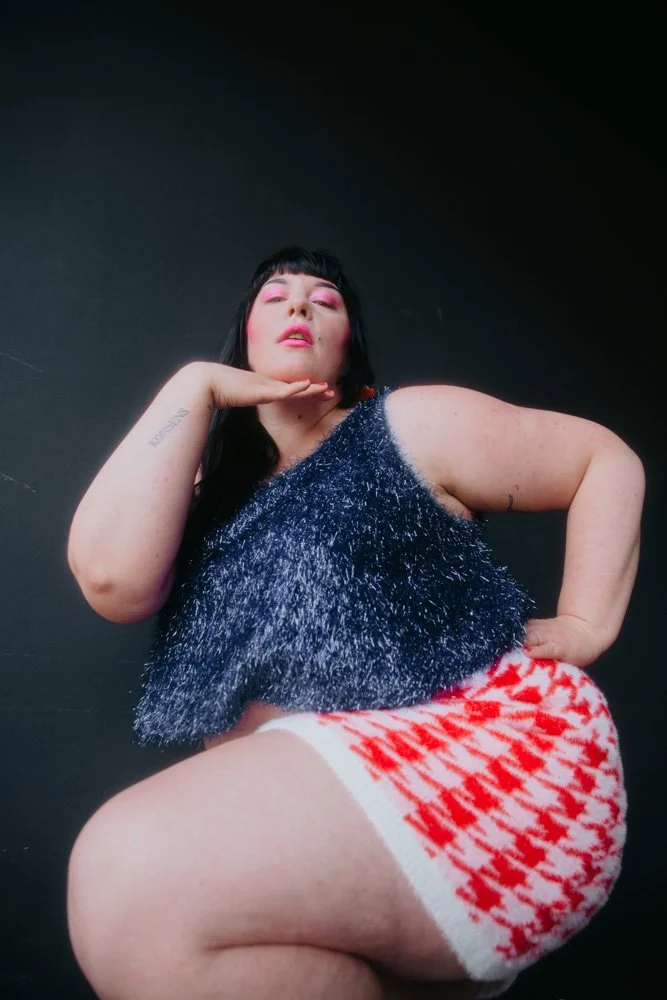
© Hanna Fasching
Ale: "Soft and Cut” is a powerful name. Can you unpack it for us? How does this name reflect the philosophy of the salon as a space for PoC, Queer, neurodivergent, and disabled communities?
Ina: Soft and Cut is a reference to “soft and cunt” which is the voguing style I first began to do when I entered ballroom culture. I like the idea of this cunty softness to also be present in the salon!
Creating a salon like this is an act of resistance in a world not designed for these bodies and minds. What were the specific ‘rules’ of a traditional salon or beauty space that you knew you had to dismantle?
A lot; being marginalized means that you don’t play any factor in people's minds and things are literally not made for you. Most seats in salons are only built up to 115kgs, they have armrests, they are narrow—they are not accessible. So, seating was a big point for me personally and for my clients. I always cut hair in a dry state. If you think about it, it makes it easier to see how hair reacts to the cut and also clients can follow more easily. I don’t work with stock photos; the only pics in the salon are from people I know and whom I have styled (hair and makeup). I don’t have gender or hair length/hair texture-dependent prices. I cut all hair textures—from super straight to 4c coily. It’s not possible to look into the salon from the outside, nor just come in since I lock the door during appointments. I don’t believe in summer or winter types; instead, I try to work with the client to give them a cut/color that fits their chosen identity. The whole salon is barrier-free.
You've described the salon as a ‘community space’ or ‘safe haven.’ What does care and service look like when it's rooted in Queer and disability justice principles? Can you share a moment where you felt the space was truly working as you envisioned?
Fortunately, that happens very often, and I am truly thankful for it. This feeling comes up if plus-size people tell me it’s the first time they sit comfortable during their haircut, it’s when a Black client with coily hair tells me that in my salon, she feels treated with respect and actual knowledge, it’s when Queer people are happy that I care for their pronouns or understand their ideas about certain gender affirming haircuts. It's also when neurodivergent persons need lights dimmed, are happy about no talk options and the possibility to take breaks.
In a society that demands toughness from marginalized people, concepts like ‘softness’ can be radical. How do you practice and encourage ‘radical softness’ in your work, both in how you handle hair and how you hold space for people?
I need and always needed spaces like this, where I can be allowed to be soft, vulnerable, visible and open about myself and my appearance. So I also know how important the way of talking and choosing words is when it comes to describing haircuts, because they are so close-knit with identity. I want all my clients to know and feel that I won’t judge them. Not for their haircut decisions, or how they treated their hair so far. For example, I have quite a group of clients with trichomania, and all of them told me they have been so afraid they will be judged again because it happened so often before.
This industry is unfortunately so full of ideas about how people should look—thinner, whiter, more masc, more feminine… I try not to jump to any conclusions and let the people tell me how they want to be seen.
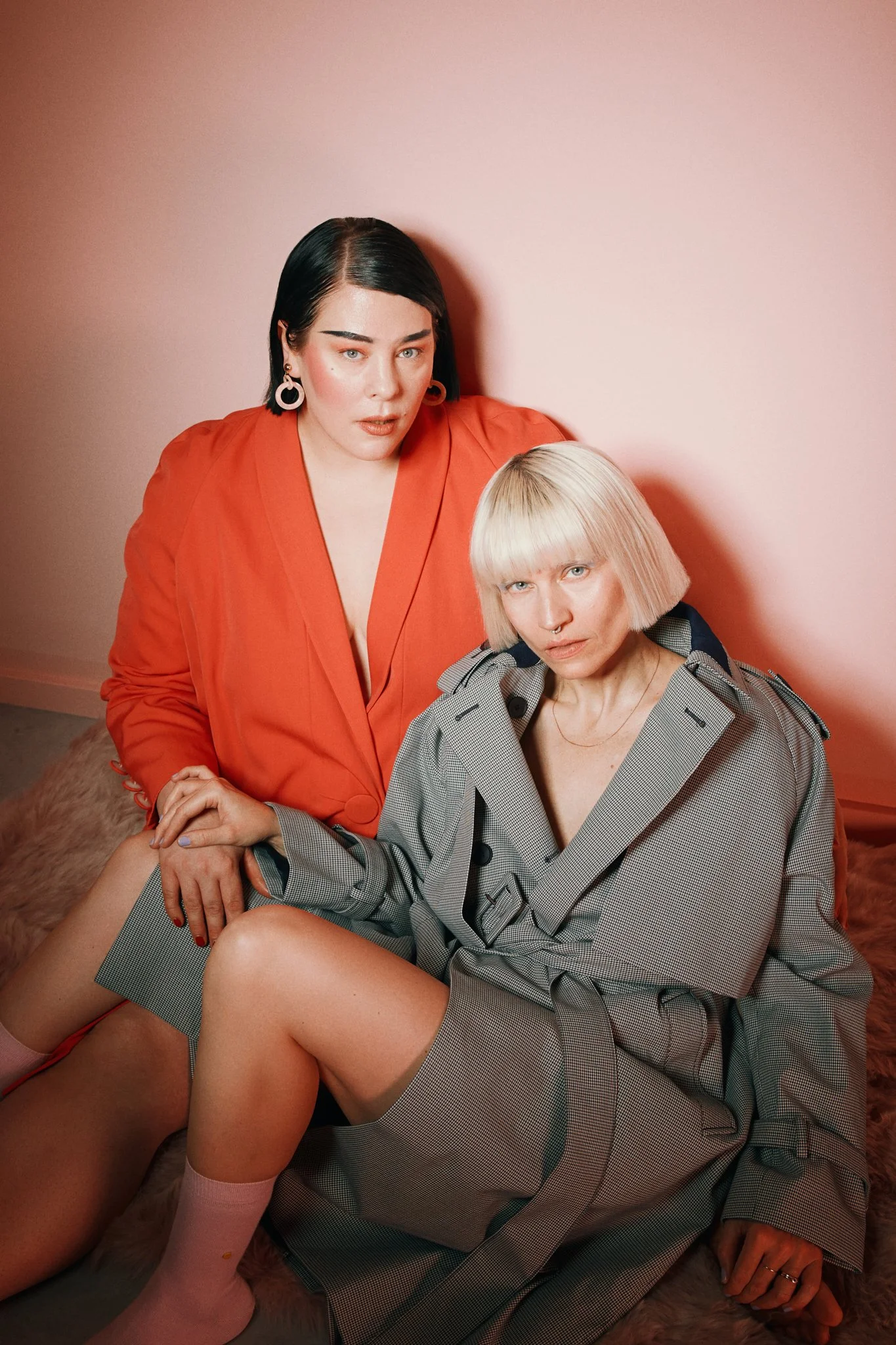
©Josefien Hoekstra
Personal Journey to Voguing
The Voguing ballroom scene, born from Black and Latino LGBTQ+ communities, offers something unique. What did you find there that you couldn't find elsewhere—was it a sense of family, a new language for your body, a living history?
Yes! All of that! Simply, voguing celebrates everything mainstream society hates. It's the only way of performing and dancing where people haven’t been judging me for my fat body or my homosexuality, the moment I came in. Fatphobia is especially present whenever it comes to any sort of movement.
Personally, I also found a form of family in the Iconic House of Mizrahi / Japan Chapter that I am a part of. I truly never thought I could make it that far with voguing and that’s also because I have also been told that I, quite literally, don’t fit in.
It seems your work creates an ecosystem: the salon provides the literal and metaphorical grooming, voguing provides the expressive, performative outlet. How do these two spaces, the intimate salon and the performative ballroom, feed into and strengthen each other?
They do very much! Voguing is all about using certain skills to bring your identity to shine. Which is basically what I want to achieve with hairdos, too. Some of my clients in the salon also come to voguing lessons and vice versa. Voguing classes are also done safely and privately—this is important in order to be ready to showcase yourself (if wanted) at an actual voguing ball.
What is the next frontier for your activism? Are there dreams or projects that you are building towards?
I do have several projects in mind that will take place in the salon, one probably starting in January 2026. At the moment, Queerness and age, and Queerness and menopause, are pretty exciting topics for me and also how to make the salon even more accessible, for example, for blind or deaf people.
Your work sits at the intersection of so many identities: fat, Queer, neurodivergent. How does this lived experience directly shape the day-to-day decisions you make as a business owner and teacher?
Very much. Every decision I think about is questioned by my political ideas and the impact it has on me and my clients, or my students.
I learned to understand that you can’t have a salon or class that is perfect for all people, especially not in capitalism. For example, I am aware that price and money are also barriers and ones that I can’t make disappear.
I also don’t do as many clients as I could in the salon, because of the emotional labour that comes with working with marginalized people. I truly love it and get a lot from it, yet I have to take care of my mental state, too, to stay professional.
Ina Holub is a fat and lesbian queer-body-politics activist and lives with her wife in Vienna. on instagram she blogs about discrimination and patriarchy. 2024 she opened Austria's first multiple accessible hair salon Soft & Cut, that is designed to fit the needs of marginalized persons.
Ina is a voguer, and also teaches voguing in vienna. Her ballroom name is Trina Mizrahi and she is part of the iconic house of mizrahi - japan chapter.